
Most permeable driveways fail because their base design was an afterthought. Your resin bound aggregate’s strength, drainage, and freeze–thaw durability all start beneath the surface. Get the facts on how the right open-graded base, geotextile layers, and drainage systems can keep your permeable pavement performing beautifully for years. Learn more about the importance of drainage for resin bound surfacing.
The Importance of Base Design

Every successful resin bound aggregate installation begins with a well-thought-out base design. This section explores how this crucial element supports both the beauty and functionality of your permeable driveway.
Understanding Resin Bound Aggregate
Resin bound aggregate is a popular choice for creating permeable driveways. It combines decorative stones with a clear resin to form a strong, porous surface. This allows water to drain through, reducing puddling and runoff. The result is an attractive finish that enhances curb appeal while managing stormwater effectively. Quality materials and proper mixing are key to achieving a durable result. By opting for resin bound aggregate, you enjoy both aesthetic and environmental benefits.
Key Elements of a Successful Base
A successful base consists of several key components: an open-graded base, a sub-base, and geotextile layers. These elements work together to provide stability and drainage. An open-graded base allows water to flow freely through the structure, preventing waterlogging. The sub-base supports the weight of the surface while ensuring proper drainage. Geotextile layers help separate and stabilize these layers, preventing the mixing of materials. Together, these elements form a solid foundation that enhances the performance and longevity of your driveway.
Impact on Permeable Driveways
Proper base design impacts the overall effectiveness of permeable driveways in significant ways. It ensures that your driveway can handle heavy loads and resist environmental stresses. With a well-designed base, your driveway will effectively manage stormwater, reducing the risk of flooding and erosion. This not only preserves the beauty of your driveway but also contributes to sustainable landscaping. By investing in a solid base, you can enjoy a driveway that performs well and looks great for years to come.
Designing for Durability and Performance
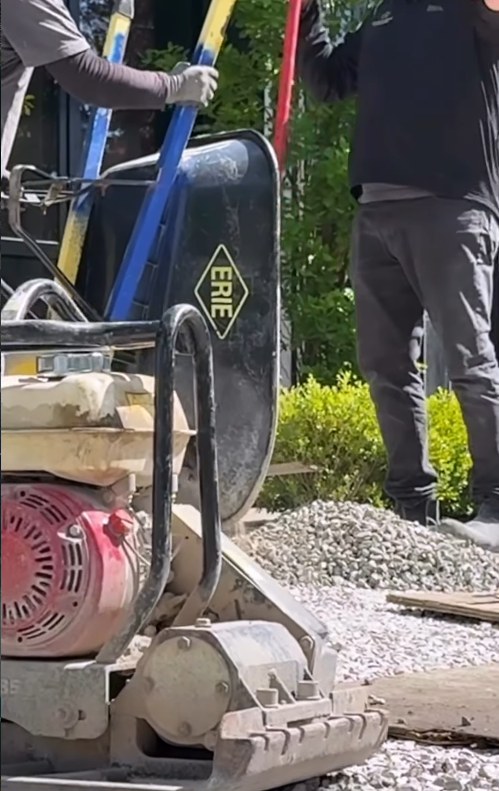
To ensure your permeable driveway stands the test of time, focus on durability and performance design. This section delves into the essentials of creating a robust foundation.
Open-Graded Base and Sub-Base
An open-graded base is crucial for effective drainage and stability. This base consists of uniformly sized aggregates that allow water to pass through easily. It’s layered over a sub-base, which provides additional support and load-bearing capacity. A well-constructed sub-base prevents settling and uneven surfaces. Both layers are essential for maintaining the integrity of your permeable driveway. Implementing these components correctly will enhance the performance of your pavement, offering a stable and durable surface.
Geotextile and Edge Restraints
Geotextile layers play a vital role in reinforcing the base. They separate different materials, preventing the mixing that can lead to instability. Edge restraints are equally important, as they keep the materials in place and maintain the driveway’s shape. These elements work together to provide structure and support to the entire installation. By incorporating geotextile layers and edge restraints, you’re investing in the longevity and reliability of your driveway.
Freeze–Thaw Durability in the GTA
In the Greater Toronto Area, freeze-thaw cycles are a significant concern. A well-designed base helps mitigate these effects by allowing water to drain freely, reducing the risk of damage from freezing. Using UV-stable resin and proper base materials ensures your driveway can withstand harsh winters without cracking or heaving. This durability is essential for maintaining a safe and appealing driveway throughout the year. By focusing on freeze-thaw durability, you can protect your investment and enjoy a resilient surface.
Enhancing Stormwater Management
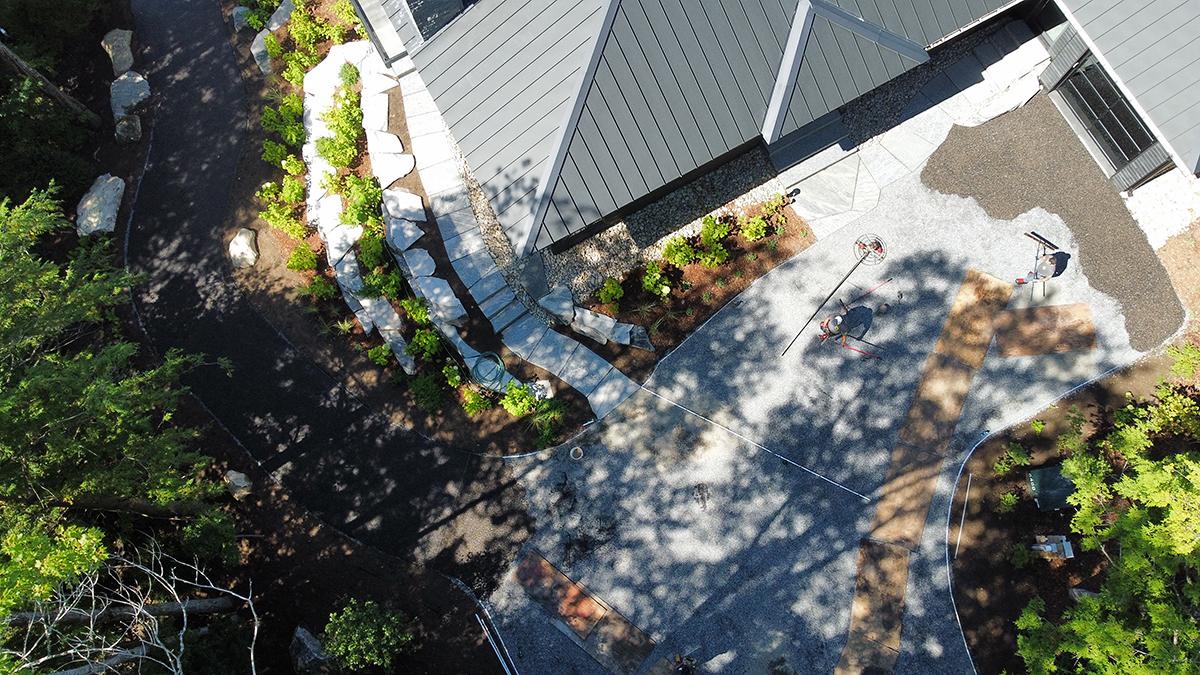
Effective stormwater management is a core benefit of permeable paving. This section highlights how a properly designed base enhances drainage and sustainability.
Infiltration Rate and Runoff Reduction
A key advantage of permeable driveways is their ability to manage water effectively. The infiltration rate measures how quickly water passes through the surface, directly impacting runoff reduction. A high infiltration rate means less standing water and reduced flood risk. By incorporating a drainage layer and an open-graded base, you enhance the driveway’s ability to handle stormwater efficiently. This feature not only protects your property but also supports local ecosystems by reducing pollutants in runoff.
Low Impact Development (LID) Practices
Permeable paving aligns with Low Impact Development (LID) practices, which aim to minimize environmental impact. By allowing water to infiltrate naturally, these driveways support groundwater recharge and reduce erosion. The use of sustainable materials and design techniques contributes to a greener urban landscape. Embracing LID practices in your driveway design reflects a commitment to environmental stewardship. This approach not only benefits your property but also the community at large.
Benefits for Sustainable Landscaping
Implementing permeable paving offers numerous benefits for sustainable landscaping. It reduces the need for artificial drainage systems and promotes healthy vegetation by allowing natural water flow. By choosing resin bound paving in Canada, you’re opting for an eco-friendly solution that enhances the beauty and functionality of your landscape. This sustainable choice supports biodiversity and reduces the heat island effect in urban areas. Ultimately, permeable driveways contribute to a healthier and more resilient environment.
Frequently Asked Questions
What is the best base for a resin bound driveway?
The best base for a resin bound driveway includes an open-graded base and sub-base. This combination ensures proper drainage and stability, supporting the overall performance of the driveway.
How does a permeable driveway manage stormwater?
A permeable driveway manages stormwater by allowing water to infiltrate through its porous surface, reducing runoff and promoting natural groundwater recharge.
Why are geotextile layers important in driveway installation?
Geotextile layers are important because they separate and stabilize different materials within the driveway base. This prevents material mixing and enhances the structure’s stability and longevity.
How can permeable paving benefit the environment?
Permeable paving benefits the environment by reducing runoff, supporting groundwater recharge, and minimizing the heat island effect. It also aligns with sustainable landscaping practices.
What role do edge restraints play in driveway installation?
Edge restraints play a crucial role in maintaining the shape and integrity of the driveway by keeping the materials in place and preventing shifting.
Act now to incorporate expert-level permeable paving into your project plans.